

 Explore Worlds
 Find Life
 Defend Earth


Together, We Explore
Together,
We Explore
Strategic Vision 2030

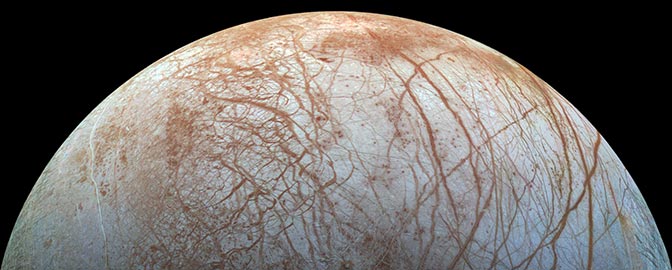
Beneath a thick shell of ice, Jupiter’s moon Europa hosts a massive ocean that could potentially host life. This artist rendering shows NASA’s Europa Clipper during one of its many scheduled flybys over the moon’s icy surface.
The Europa Clipper mission is now a reality thanks to the members and supporters of The Planetary Society. More than 400,000 messages to the U.S. Congress helped secure funding for the mission, making it one of our most successful advocacy campaigns ever. Without that grassroots effort, this spacecraft now searching for the conditions for life on Europa might never have launched.
Image credit: NASA/JPL-Caltech
Together, We Explore
I’d like you to think about a moment when you really connected with space — a moment when you felt your place in the Cosmos. Humans throughout history have had such moments: making up stories about star patterns while sitting around the fire in our earliest days, gathering at a neighbor’s house to watch the Apollo 11 Moon landing, or looking through a telescope and seeing Saturn for the first time. That special moment of connection to outer space — it’s different for each of us, but I suspect everyone reading this has a story.
My own moment is when Pathfinder landed on Mars in 1997 at a location later renamed the Carl Sagan Memorial Station.
In 1997, it had been 20 years since a successful Mars landing. There was a lot of buildup about our return to the red planet. The Planetary Society held a big party that we call Planetfest. I had been an employee of The Planetary Society for six months.
I sat among about 5,000 people in a convention center, staring at a giant screen with a feed from Pathfinder mission control, all of us practically holding our collective breath as we waited for confirmation of a successful landing. And when it came, there were cheers and tears on the big screen and cheers and tears in the room. It was thrilling.
But what happened next captured my heart forever. The first image started coming down, and we watched as the data filled in little by little. I recognized in that moment that I was experiencing space exploration — that no one had ever seen what we were now seeing, and that made us the explorers.
Space exploration is what The Planetary Society was built for — it’s what we celebrate, and it’s what we champion: bold, scientific space missions that show us the unseen, answer deep questions, and lead us to new mysteries.
The last couple of decades have been remarkable. Some describe it as a golden age of exploration. But as we look to the future, we see a challenging road ahead: After decades of progress, the future of space science and exploration is in jeopardy. Budgets are tightening. Priorities are shifting. Cuts are threatening to downsize, delay, or even cancel missions. It’s not exactly the same situation as in 1980 — when Carl Sagan, Bruce Murray, and Louis Friedman founded our organization to prove public support for planetary exploration when Congress claimed there was none — but there are troubling similarities.
Our founding premise still holds true today: People from around the world — people like you and me — want and expect scientific exploration to continue.
The Planetary Society’s objective is straightforward: We want to explore more, discover more, and understand more about the Cosmos and our place within it. And how we do that is what makes The Planetary Society so special. It’s through our members and the global community of explorers we are building every day.
So, what do we need to be successful in this next era?
We need people. We need more members, supporters, and partners joining our mission so that we can continue to prove that the world’s enthusiasm for space science and exploration is only getting stronger.
We need action. Action takes many forms. Learning more and sharing more about space science and exploration — that’s action. Participating in our annual Day of Action or petition campaigns, crowdfunding new research and technology development, giving a Planetary Academy membership to a young person in your life — that’s all action. And when combined with thousands, tens of thousands, and hundreds of thousands of other people, we have power to influence and shape the future.
We need to lead. We will continue to lead with independence, with credibility, and with collaboration to shape the future that we want to see. The Planetary Society serves a unique role in bridging divides and bringing people together; we can problem-solve and influence action with no hidden motivations or special interests other than the shared goal of our mission. We will be bold, loud, optimistic, and kind, and we will make sure humanity’s knowledge of the Cosmos keeps advancing.
That moment I invited you to think of at the start of this writing — that moment is part of you. It’s part of why you’re here today and why you’re part of The Planetary Society. There’s power in our collective passion. Future exploration won’t just happen by accident. It will happen because people like us believed in exploration, championed it, and made it real.
The greatest discoveries aren’t behind us — they’re still out there, waiting. Let’s keep exploring!
Let’s keep exploring!

Jenn Vaughn
CEO, The Planetary Society

Space Milestones
expected this period

Nov 21, 2026
ESA/JAXA’s BepiColombo mission is scheduled to enter orbit around Mercury, making it only the second mission to do so.
Nov 2026
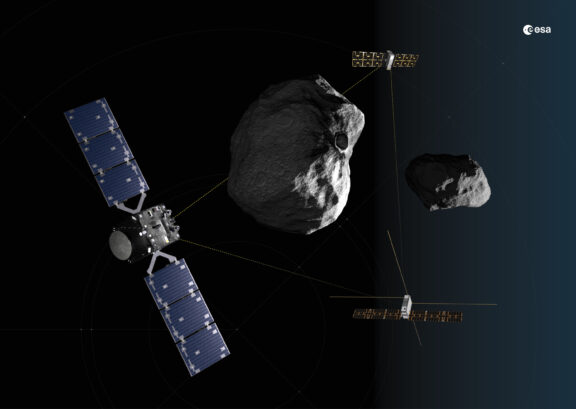
ESA's Hera mission arrives at the Didymos/Dimorphos asteroid system, where it will study effects of NASA's DART impact mission.
Late 2026/2027
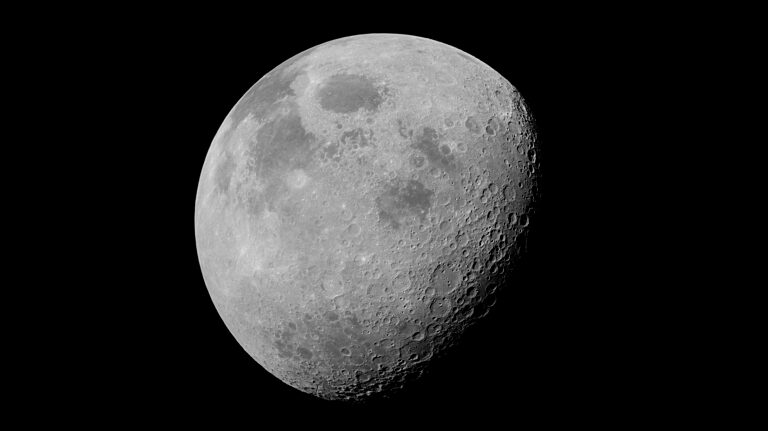
Four different NASA CLPS (commercial, robotic) missions are scheduled to land on the Moon.

Late 2026/2027
China's Chang'e 7 is scheduled to land near the lunar south pole.

Early 2027
Nancy Grace Roman Space Telescope science operations begin.

Apr 2027
ESA plans to launch the Plato space telescope, which is dedicated to finding Earth-like exoplanets orbiting Sun-like stars.

Early 2027
Blue Origin plans to land its Blue Moon MK1 lander Endurance at the Moon's south pole.
Aug 2027
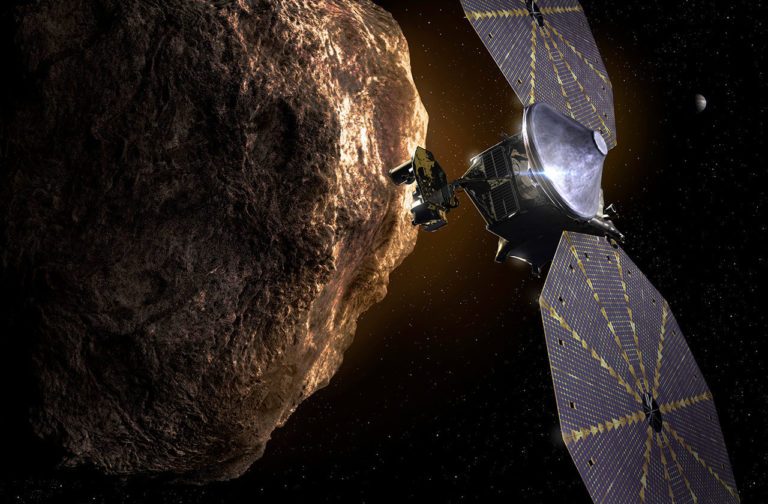
NASA's Lucy mission will do the first-ever Trojan asteroid flyby at Eurybates, with flybys of Polymele in Sept. 2027, Leucus Apr. 2028, and Orus Nov. 2028.
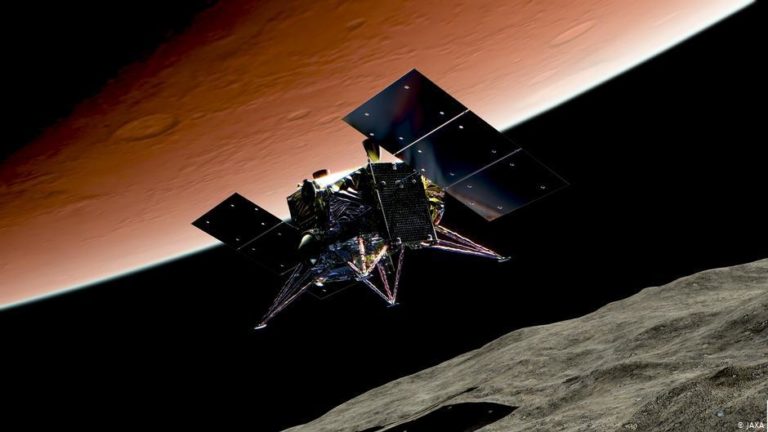
Aug/Sep 2027
JAXA’s MMX spacecraft is scheduled to enter orbit around Mars, eventually landing on Phobos and bringing samples back to Earth in 2031. Its P-Sampler instrument was supported by The Planetary Society at critical times in its development.
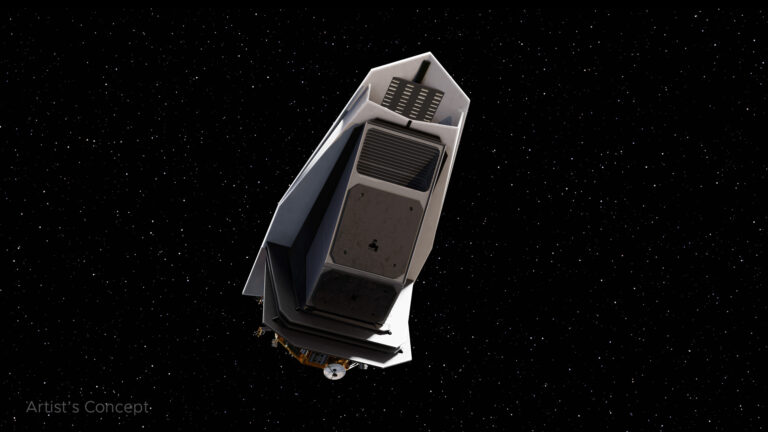
Sep 2027
This is the earliest launch date for NASA’s NEO Surveyor space telescope, which will discover and study potentially dangerous asteroids and comets.

2027
China's Tianwen-2 is scheduled to return samples from asteroid Kamo'oalewa.

2027
The Rocket Lab/MIT Venus Life Finder mission, a probe designed to study Venus’ atmosphere, may potentially launch.
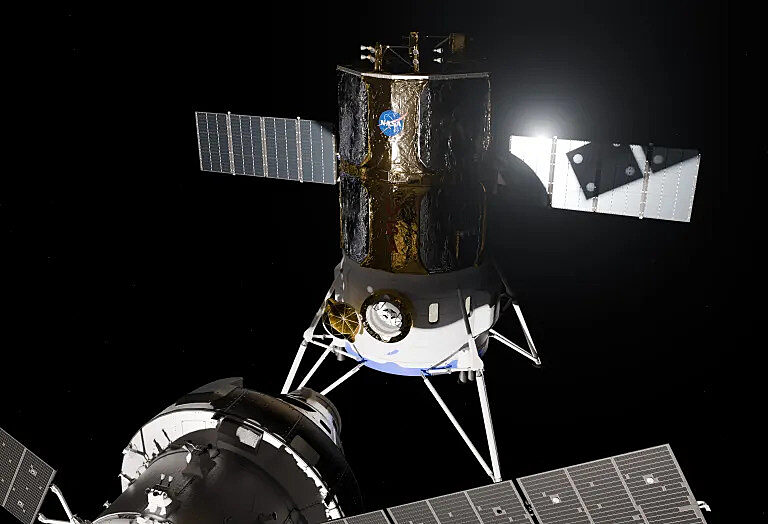
2027
NASA’s Artemis III crew plans to dock with test versions of two lunar landers in low Earth orbit.
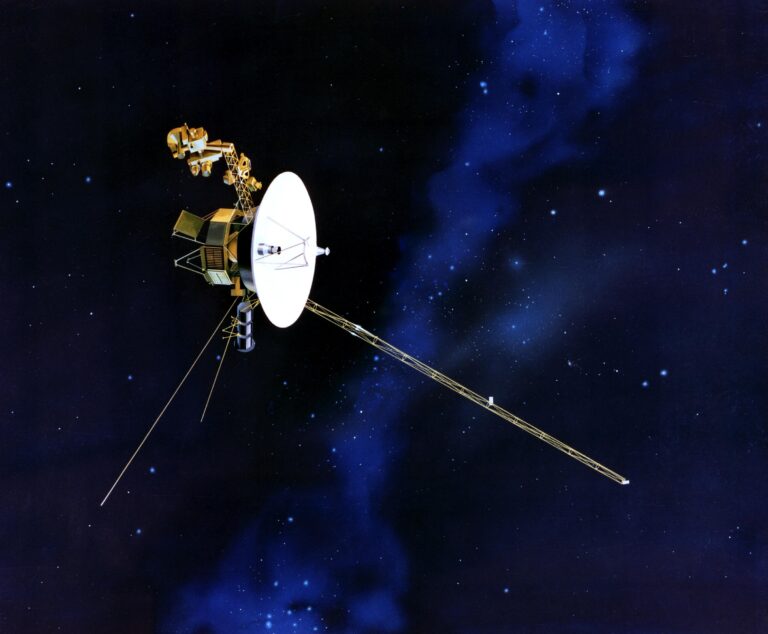
Aug/Sep 2027
The 50th anniversaries of the Voyager spacecraft launches will be celebrated. Both spacecraft are still operational as of this writing.

2028
NASA's Artemis IV is scheduled to land humans on the Moon for the first time since 1972.
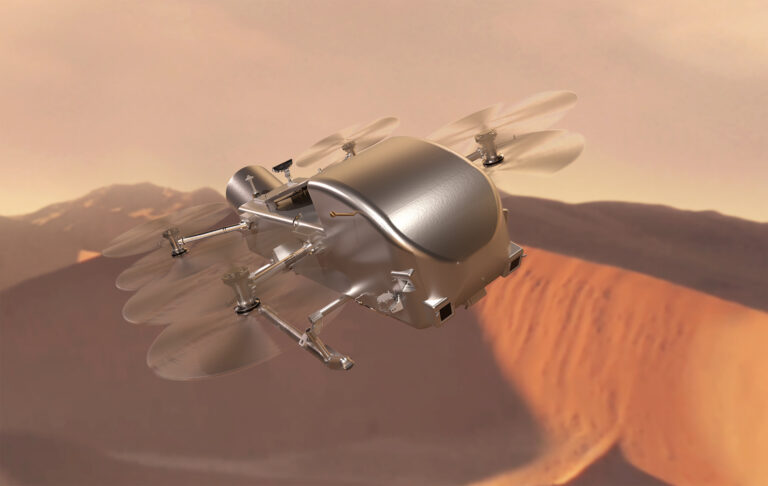
Jul 2028
NASA's Dragonfly hovercraft drone is scheduled to launch to Titan for a 2034 arrival.

2028/2029
JAXA's DESTINY+ spacecraft is scheduled to fly by asteroid Apophis, then the enigmatic asteroid 2100 Phaethon in 2030.

2028/2029
China's Chang'e 8 mission plans to land several rovers near the lunar south pole.
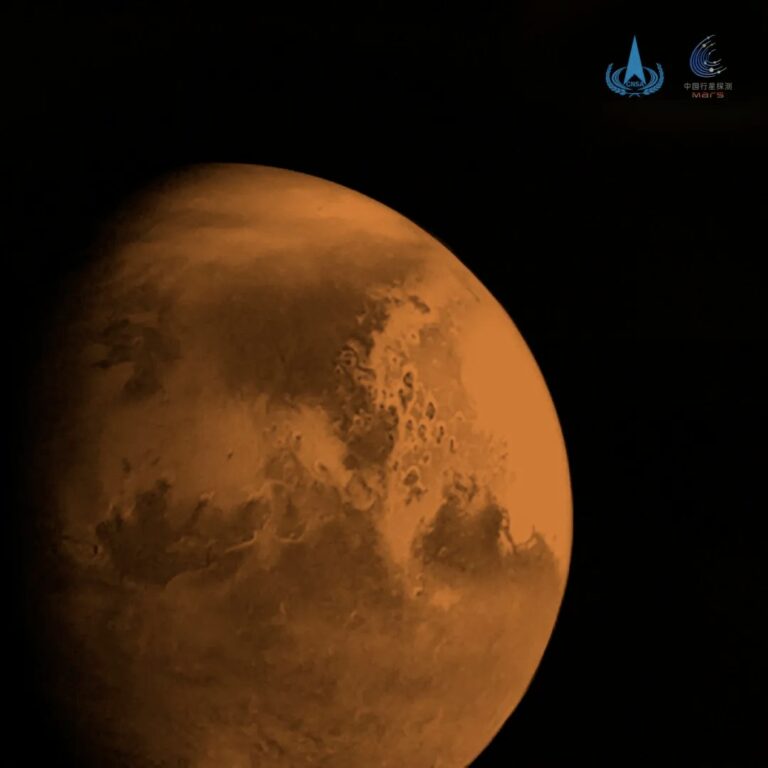
2028/2029
China's Tianwen-3 is planned to land on Mars.
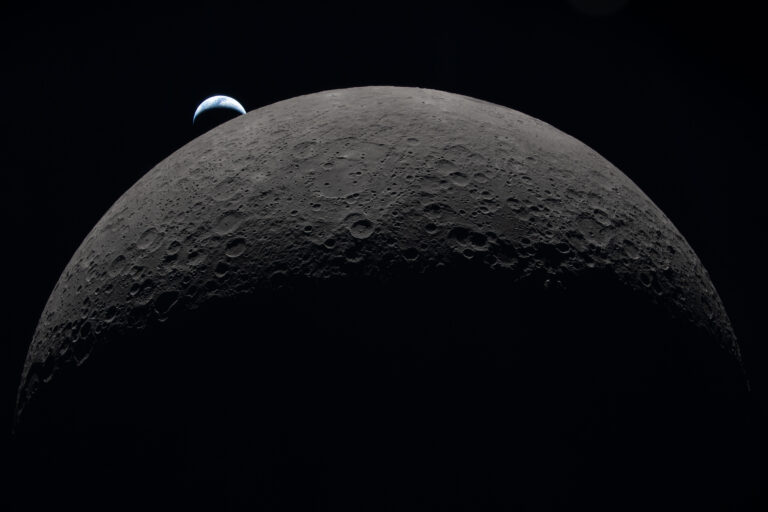
Late 2028/2029
NASA's Artemis V is slated to do a second crewed lunar landing.
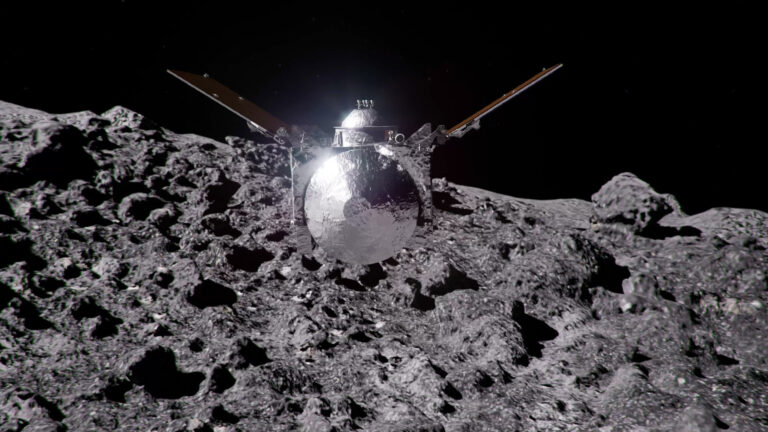
Apr 13, 2029
The asteroid Apophis will safely fly by Earth closer than geostationary satellites and be visible with the naked eye from parts of Europe, Africa, and Asia. ESA's RAMSES and NASA's OSIRIS-APEX will rendezvous with Apophis.

Jul 2029
ISRO, India's space agency, plans to insert its Venus Orbiter Mission, Shukrayaan, into Venus's orbit and deploy an atmospheric probe.
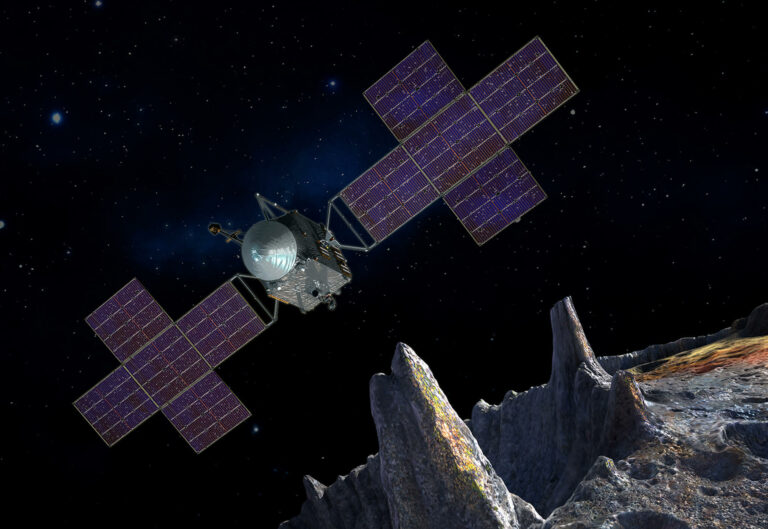
Aug 2029
NASA’s Psyche spacecraft is scheduled to insert into orbit around the possibly metal asteroid 16 Psyche.

Sep 2029
China’s Tianwen-4 mission is planned to enter Jupiter’s orbit.
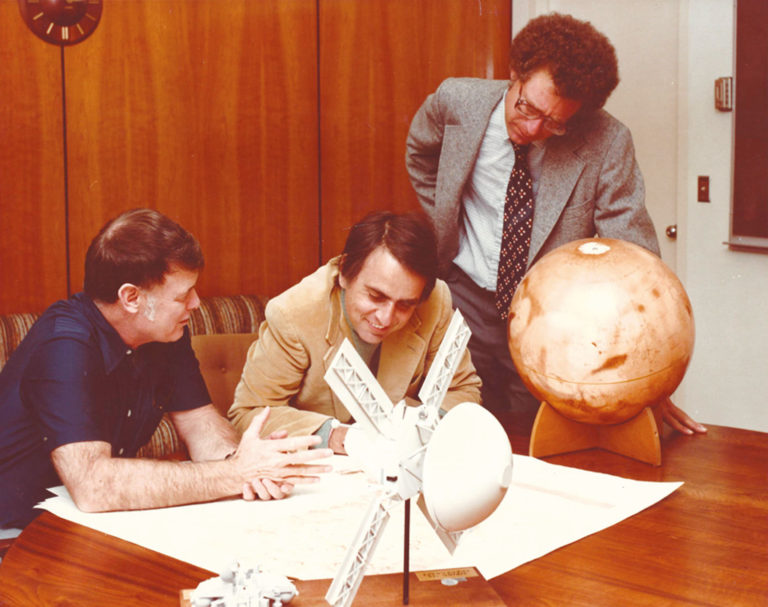
Nov 30, 2029
The Planetary Society celebrates the 50th anniversary of its incorporation in Pasadena, California.

2029
ESA’s Comet Interceptor launches, hoping to encounter a comet from the very distant Oort cloud as it moves through the inner Solar System.
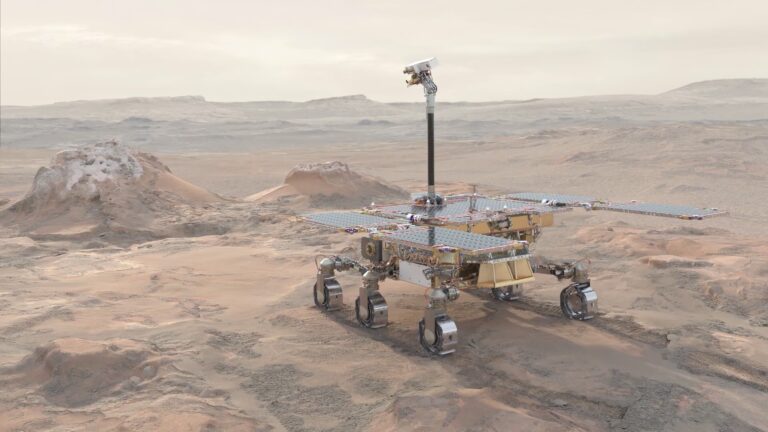
2029/2030
ESA plans to land its Rosalind Franklin on Mars as part of the international ExoMars program.

Apr 2030
NASA’s Europa Clipper will enter Jupiter’s orbit. It will study icy Europa, its subsurface ocean, and its habitability through many flybys.

Dec 2030
NASA plans to launch its DAVINCI orbiter and descent probe to Venus.
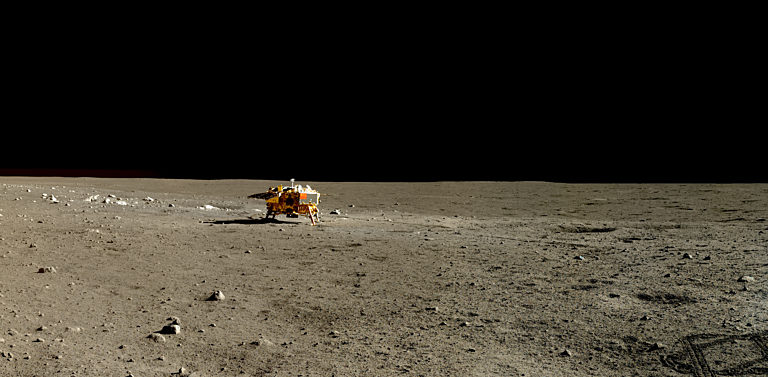
2030
China plans its first-ever landing of humans on the Moon.

2030
UAE’s Emirates Mission to the Asteroid Belt (EMA) is scheduled to start flybys of six main belt asteroids. EMA is planned to orbit and land on a seventh asteroid.

2030
The Planetary Society celebrates its 50th anniversary.

Our North Star
Vision
Know the Cosmos and our place within it.
Mission
The Planetary Society inspires a worldwide community to advance the scientific exploration of space.
Webb’s First Deep Field (NIRCam Image)
Captured by NASA's JWST, this image covers a patch of sky about the size of a grain of sand held at arm's length. Within it are thousands of galaxies and potentially hundreds of billions of planets.
Credit: NASA / ESA /CSA / STScI
Values
Curiosity
For us, curiosity is not just the beginning — it is the throughline. It starts with wonder, advances through science, yields discoveries, and sparks the next great question about our place in the Cosmos.
Humanity
We work for the benefit of humanity. Space science and discovery deepen our understanding of what it means to be human, uniting us in the pursuit of knowledge.
Optimism
We are committed to progress. Even in moments of challenge, our work is visionary, solution-seeking, and empowering.
Independence
Our independence is built into our mission, structure, and culture. It allows us to speak for science-first exploration with credibility, representing the public interest above all else.
Credibility
We earn trust by being accurate, transparent, and informed. We are an honest broker of information and a trusted steward of resources. Our stakeholders trust us.
Effectiveness
We focus on impact. From inspiring the public to influencing policy to funding science, we turn public passion for space exploration into results that matter.

Our Expedition
Space is vast - no one organization can do it all. At The Planetary Society, we focus our work on the scientific frontiers where we can make our most ambitious mark. Our core enterprises are the outcomes we focus on and fight for. Our approaches are how we get there.
Our Core Enterprises
We’re pursuing a future where humanity champions scientific space exploration — a future where humanity will:

Explore Worlds
Discover more about the planets, moons, asteroids, comets, and distant worlds beyond our Solar System.

Find Life
Prioritize the search for life as one of humanity’s most profound scientific pursuits.

Defend Earth
Protect Earth from the threat of asteroid and comet impacts through planetary defense.
Our Approaches
The future we’re building requires four interlocking elements: a public that believes in exploration, science that advances it, policy that funds it, and a movement that demands it. The Planetary Society pursues this through four program areas:

Education & Public Outreach
We spark curiosity and deepen interest in space through storytelling, resources, and experiences.

Science & Technology
We invest in pioneering space science and technology that might not otherwise be funded.

Advocacy & Space Policy
We enable our members, professionals, and stakeholders to take effective action, influence decision-makers, and promote our priorities for science-driven space exploration.

Membership & Community
We lead a worldwide movement for scientific space exploration, uniting members, supporters, partners, the professional community, and influencers in order to amplify our impact.
Strategic Goals
& Objectives2026-2030

Inspiring the next generation of explorers through education and public outreach.
The Planetary Society
Inspire
Increase public appreciation of the scientific exploration of space
Space has never been more visible, but visibility isn’t the same as inspiration. As commercial ventures and geopolitical rivalries dominate the headlines, the deeper story of scientific exploration risks getting lost: the one about human curiosity, wonder, and our place in the Cosmos. The Planetary Society exists to tell that story in ways that move people.
By 2030, more people than ever will recognize, value, and champion the scientific exploration of space.
What we’ll do:
- Bring a compelling, science-first narrative into the public conversation through media, pop culture, and a growing network of space-passionate celebrities, creators, and influencers.
- Create and collaborate on experiences and campaigns designed to spark a space love story in someone new and deepen the sense of wonder in those who already love space.
- Track and share our findings openly so the whole field benefits from what we learn about what inspires people.
Your role: You are part of this story. Engage with our materials, share your love of space, and help us show the world what’s possible when curiosity leads the way.

Bill Nye addresses the importance of protecting NASA's budget at the Save NASA Science Day of Action press conference on Oct 6, 2025.
The Planetary Society
Mobilize
Grow and empower a global movement for the scientific exploration of space
Millions of people around the world love space. They watch launches, follow missions, and feel the pull of discovery, and they are inspired by the scientists, astronauts, and engineers behind the work. But loving space and shaping its future are different things. The Planetary Society is the global home for people who want to do more than watch — they want to advocate, fund, and prove public support for the scientific exploration of space.
By 2030, our movement for scientific space exploration will be the largest, most active, and most impactful in our history.
What we’ll do:
- Grow our membership sustainably and deepen the community experience so more enthusiasts find their home in The Planetary Society and stay.
- Grow our membership and supporter base while driving meaningful action for space science through campaigns, crowdfunding, events, and ongoing advocacy.
- Increase pathways for our community to participate directly in scientific research and technology development.
- Empower grassroots enthusiasts to spread excitement for space exploration locally and globally.
Your role: Your participation is the foundation of our movement. Every action you take — from signing a petition to attending an event to joining or renewing your membership — moves us closer to that future.
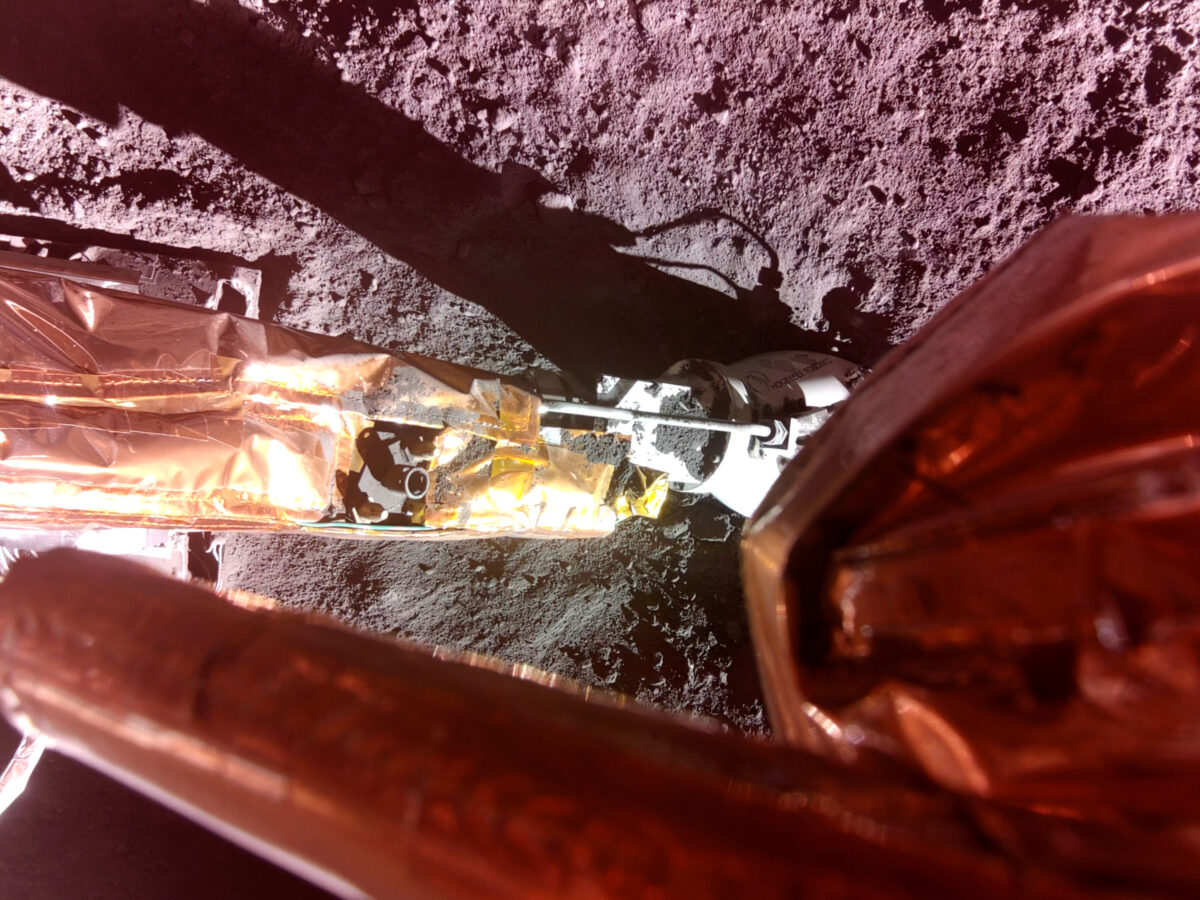
Lunar PlanetVac, deployed on the Moon as part of Firefly Aerospace’s Blue Ghost lander. This critical piece of technology was made possible in part by members of The Planetary Society.
Firefly Aerospace, Inc
Lead
Drive science-first exploration forward
Science-driven space exploration is one of humanity’s most consequential pursuits. It’s foundational to our understanding of life, our place in the Cosmos, and our collective future. The Planetary Society exists to ensure that exploration for knowledge holds its rightful place among humanity’s priorities, with a credible, independent voice representing the public interest.
By 2030, scientific space exploration will be an increasingly recognized priority, generously funded and championed — and The Planetary Society will be recognized for helping to make that happen.
What we’ll do:
- Advocate boldly for sustained government investment in planetary science, planetary defense, and the search for life.
- Invest in science and technology through grant programs, crowdfunding, and our own scientific ventures.
- Convene the scientists, engineers, policymakers, and leaders who shape space exploration priorities through events, briefings, and symposia and share what we learn through published findings and reports.
- Invest in original research, analysis, and public-facing thought leadership to position The Planetary Society as the public voice for science-first exploration.
- Build and execute a narrative strategy that makes the case for scientific space exploration at every level of influence.
Your role: Your membership and support make it possible for The Planetary Society to represent the public interest in space exploration, ensuring science and discovery remain among humanity’s priorities.

Planetary Society members and supporters power our mission.
The Planetary Society
Thrive
Build The Planetary Society’s foundation for lasting growth
Live long and prosper. Our mission is inherently long term, and thriving means investing in our people, systems, and resources so that our organization is not only durable and flexible but vibrant and future-ready. We are committed to a future where The Planetary Society has the resources to lead with independence, credibility, and effectiveness, ensuring our work continues to inspire, mobilize, and advance exploration for generations to come.
By 2030, The Planetary Society will be stronger, more capable, and better positioned than at any point in its 50-year history.
What we’ll do:
- Grow and diversify financial support for our mission, building the long-term financial health that allows The Planetary Society to perform its mission for decades to come.
- Cultivate a team culture where staff members are supported, developed, and empowered to do their best work to serve our mission.
- Modernize our systems and harness technology thoughtfully to increase efficiency and free our team for high-impact work.
- Plan beyond 2030 through succession planning, durable partnerships, and institutional knowledge that outlasts any individual.
Your role: Supporting The Planetary Society means strengthening an organization dedicated to advancing space science and exploration for generations to come.

This Perseverance Mars rover selfie shows, just to the left of the rover, a white area where surface materials were scraped off and a nearby dark hole from which a sample was extracted. The sample contains “leopard spots” that could indicate evidence of past life on Mars ... or not.
NASA/JPL-Caltech/MSSS
Our Voyage
I was a kid when I first saw the night sky through a telescope.
The telescope belonged to my father’s scoutmaster — an old instrument handmade from a thick cardboard tube, the kind used for casting concrete pilings. As a denizen of numerous neighborhood construction sites, I recognized the smell. Then, as I aligned my eye with the eyepiece, the Moon was too bright; I had to look away. But a moment later, I turned back to that lens — I had to. The lunar surface came into focus, and I saw the craters — huge rings, encircled by huge mountains, casting huge shadows. Between them, I could easily see the smooth wide plains of frozen lava.
It was and still is amazing.
The Moon was no longer a flat gray disc in the sky; it was now a big, wide, round world with a bright side, a night side, and a horizon. I wasn’t the first to see all this in this way, but it was a first for me. I couldn’t help but think of Galileo and his first sight of the Moon through a telescope. I pondered the past, a time when the Moon must have been bombarded with an uncountable number of rocks from space hurtling down at very high speed. I was hooked. I wanted to know more about other objects out there. I wanted to see Venus, Mars, Jupiter, Saturn, and all the other lights in the sky — our place in space.
That feeling — that electric shift from observer to explorer, is why I’m a proud member of The Planetary Society. I grew up with the space program, with the creation of NASA, and the audacious landing of humans on that very Moon I’d seen through the cardboard telescope. It’s how I got started.
In Jenn’s opening essay, she asked you to remember a moment of connection with space. Now I want to ask: What are you going to do with that feeling?
Maybe you’re already on your way — sharing a stunning image with a friend, inviting someone to a planetarium show, or pointing to a planet on a sidewalk astronomy night. Maybe you’ve told someone about a mission that astonished you. Those small acts of sharing are how the love of space spreads. They matter more than you might think.
Right now, what intrigues me is the search for life on another world. If we were to find life in the shallow sands of Mars or beneath the thick ice of Europa, it would change the course of human history. It would be a Galilean moment for everyone on Earth. It would rewrite our understanding of what it means to be a living thing in our corner of the Cosmos. That discovery, when it’s made, won’t happen by accident. It will happen because people fought for it — because the public showed up, raised their voices, and refused to let world-changing exploration of the Universe get crowded out by other priorities. You can be one of those people.
When you join The Planetary Society, you stop being a spectator and start being a participant. You become part of a global community of people who believe that exploring space is one of the most profound and important things humanity does. When you take action by contacting your representative, donating to a science project, or simply sharing your love of exploration with someone who hasn’t gotten the feeling yet, you are shaping the future — not metaphorically but for real. You are enabling the scientific exploration of space. It’s not a small thing — it’s an extraordinary thing.
The greatest discoveries are before us, waiting — in a planetary moon’s ocean, in an asteroid’s dust, or in rock sample tubes on Mars. Together, we can change the world(s).
I hope you’ll join us in taking part in the adventure.

Bill Nye
Chief Ambassador, The Planetary Society
Crew and Contact
Co-founders
CARL SAGAN
1934-1995
BRUCE MURRAY
1931-2013
LOUIS D. FRIEDMAN
Exective Director Emeritus
Jenn Vaughn
Chief Executive Officer
Department Heads
DANIELLE GUNN
Chief Program Officer
RICHARD CHUTE
Chief Advancement Officer
LARRY BROGAN
Chief Financial Officer
Board of Directors
Chairman of the Board
DANIEL T. GERACI
Chief Strategy Officer, Lunasonde, Inc.
Vice Chairman and Chief Ambassador
BILL NYE
Science Communicator
President
BETHANY EHLMANN
Director and Professor, Laboratory for
Atmospheric and Space Physics (LASP) at the University of Colorado, Boulder
Vice President
HEIDI HAMMEL
AURA Vice President for Science
Secretary
JAMES BELL
Regents Professor, School of Earth and
Space Exploration, Arizona State University; Principal Investigator, NASA Perseverance rover Mastcam-Z instruments
Treasurer
LON LEVIN
President, SkySevenVentures
NEWTON CAMPBELL JR.
Director of Space Programs, Australian Remote Operations for Space and Earth (AROSE) Consortium
JOHN GRUNSFELD
President and CEO, Endless Frontier Associates
BIJAL “BEE” HAYES-THAKORE
VP of Marketing, Kigen; Chairperson of the Board, Jangala
ROBERT PICARDO
Actor; Member of the Academy of Motion Picture Arts and Sciences
BRITNEY SCHMIDT
Professor; Astronomy, Earth and Atmospheric Sciences; Cornell University
DIPAK SRINIVASAN
Space Formulation Manager, Johns Hopkins Applied Physics Laboratory
LORNE TROTTIER
President and Co-founder, Matrox Video
Advisory Council
SIRISHA BANDLA
DAVID BRIN
NAGIN COX
G. SCOTT HUBBARD
GARRY E. HUNT
MARK HUNTER
RYAN JOHNSON
RYAN KRISER
ROSALY LOPES
BRIAN MURPHY
BRIAN POPE
PETE SLOSBERG
KEVIN STUBE
NEIL DeGRASSE TYSON
The Planetary Society
60 South Los Robles Avenue
Pasadena, CA 91101, USA,
Planet Earth, Solar System,
Oort cloud, Local Interstellar
Cloud, Orion Arm, Milky Way,
Local Group, Virgo Supercluster,
Lanakea Supercluster,
The Universe
tel: (626) 793-5100
email: [email protected]